How to Choose the Right Truck Size for Goods Transportation
Choosing the right truck size for Goods Transportation is one of the most important parts of planning a shipment. A truck that is too small may require multiple trips or leave goods overloaded. A truck that is too large can increase your transportation cost unnecessarily. The simple answer is this: choose a truck based on the volume, weight, type of goods, loading requirements, travel distance, and delivery location.
At E Trans Logistics, we often see customers focusing only on the number of items they want to transport. But thinking that goods transportation is simple, is not always true. Two shipments may have the same number of packages but need completely different vehicles because their weight, size, or packing style is different. Whether you are transporting household goods, business materials, machinery, furniture, industrial products, or commercial stock, selecting the right vehicle can save money, time, and effort.
Understand Your Goods Before Choosing a Truck
The first and foremost thing is to understand the type of your goods and the transportation it needs. Because arranging vehicles according to your goods is what a professional transporter company does. Also, before you start packing your goods for the transportation, it is important to make a list of your goods and mention details properly so that you can easily check how many boxes, bags, furniture pieces and other items you have for the transportation, and also this way nothing gets left. One more important thing, i.e. do let your transporter company know your goods type, whether your goods are lightweight, heavy, fragile, oversized, or sensitive to weather, because this little information helps the transporter to provide suitable vehicles. Like, a truck carrying plastic products may need more loading space but may not be very heavy. On the other hand, construction materials or machinery may take less space but add significant weight.
This is why choosing a truck only by looking at its length can create problems.
E Trans Logistics helps customers understand both the weight and volume of their shipment before suggesting a suitable truck for Goods Transportation.
Common Truck Sizes Used for Goods Transportation
Different transportation processes have different sets of requirements, all requirements are not the same, and following that, a single sized truck is not enough for all sorts of transportation needs. While smaller trucks can be easier to operate in crowded markets and narrow lanes and are also useful for transportation that are local such as shop supplies, small office goods, small studio setup and commercial shipments, medium-sized trucks are mostly useful for larger household shifting, furniture transportation, business supplies, and intercity commercial goods. Larger trucks and closed container vehicles are suitable for heavy commercial shipments, industrial materials, bulk goods, machinery, and long-distance transportation.
The best choice depends on your actual goods.
For example, transporting goods from Delhi towards Rohini, Noida, Janakpuri, Dwarka or nearby locations can involve different road conditions and access points. A large truck may be suitable for highway transportation but may face difficulty entering a narrow lane or congested market area.
That local detail matters.
Check the Loading Space Carefully
One of the biggest mistakes people make is estimating space by looking at goods individually.
A customer may say, “I only have fifty boxes.”
But what size are those boxes? Are they stacked safely? Can they be placed on top of each other? Will there be furniture, machinery, or fragile goods between them?
These questions change the required truck size.
It is always better to measure larger items before booking a vehicle. Sofas, cupboards, machines, long pipes, glass items, and commercial equipment can take more space than expected. A slightly larger truck may sometimes be a better choice if it allows proper loading and reduces the risk of damage.
Do Not Ignore the Weight of Your Goods
Truck size is not only about space. Weight is equally important. Every vehicle has a safe carrying capacity. Overloading a truck can affect vehicle control, braking, fuel consumption, and road safety. Heavy goods should be distributed properly inside the vehicle. Putting too much weight on one side can create balance problems during transportation. This becomes even more important on longer routes and roads with turns or uneven sections.
At E Trans Logistics, the vehicle selection process considers the estimated weight along with the total space required. This helps in choosing a practical truck instead of simply booking the biggest available vehicle.
A Real Situation That Shows Why Truck Size Matters
One of our customers needed to transport commercial goods from Siliguri to a nearby business location. He initially booked a smaller vehicle because he wanted to reduce the transportation cost. After the goods were arranged for loading, it became clear that the boxes would fit only if they were stacked too tightly. There were also several fragile packages. The driver explained that forcing everything into the smaller truck could increase the chance of damage during the journey. The customer finally chose a slightly larger vehicle. The transportation cost increased a little, but the goods were loaded properly with enough space for safe arrangement. After delivery, the customer said something quite practical: spending a little more on the right truck was better than paying for damaged products later. That is exactly how truck selection should be viewed. The cheapest vehicle is not always the most economical option.
Consider the Distance and Route
The transportation route should also influence your decision. When it is a local goods transportation, it is important to look for a smaller and medium sized truck which often works because they can move through busy roads and access commercial areas more easily. However, long-distance transportation may require a different approach. If goods are travelling through major highways, the vehicle should provide enough space for safe loading and proper protection during the journey. Weather is another factor. During heavy rain, goods transported in an unsuitable open vehicle may face unnecessary risk. Waterproof packing or a covered vehicle may be a better option.
How Much Does the Right Truck Cost?
Good transportation and its cost depends on several factors. When you opt for a smaller moving vehicle, i.e. a smaller truck, it costs less than a bigger truck for your goods transportation. But booking a truck based on your idea for your belongings count is not something that professional transporters also provide. Rather it is important to let the transporter know about the items you have and then getting a perfect fit for your goods transportation, which even makes you clear about the cost you have to pay. One more thing, do not settle for less price. The cheap and best policy does not get applied everywhere. When a transporter is providing a lower cost than expected then do check with some other transporters as well. Because a proper quotation can help you understand what you are paying for. E Trans Logistics focuses on helping customers select a vehicle that matches their transportation requirement instead of recommending unnecessary space.
Safety Should Always Come Before Saving a Few Rupees
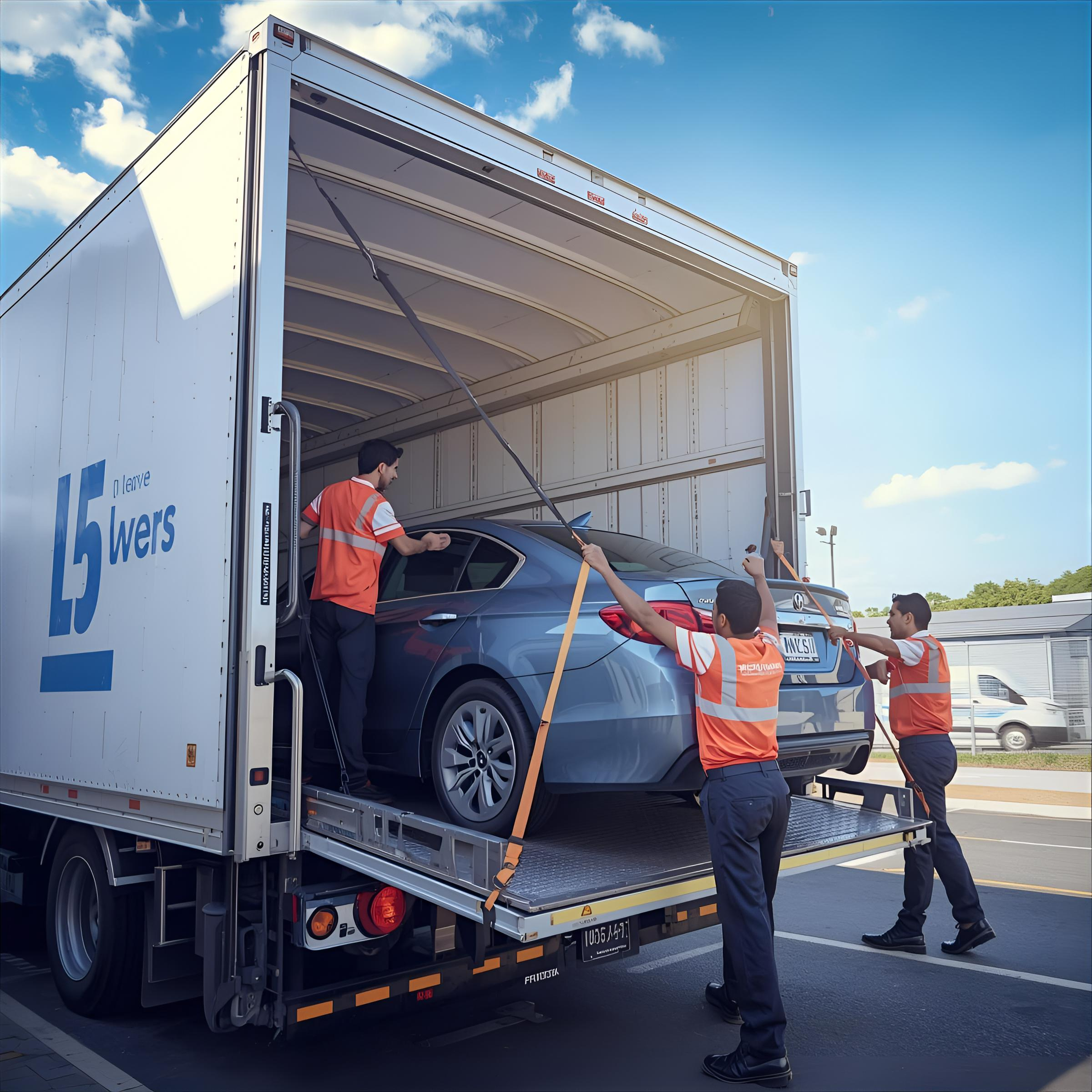
Goods should never be packed tightly just to fit them into a smaller truck. Fragile items need proper cushioning. Heavy goods should be placed securely. Empty spaces should be managed carefully so that items do not move excessively during transportation. The loading team should also use proper techniques while placing heavy items. Before the truck leaves, basic checks should be completed. The goods should be arranged properly, secured for the journey, and protected according to their nature. A suitable truck makes this entire process easier.
The Simple Process of Choosing the Right Truck
The process starts with understanding your goods. First, prepare a list of everything you want to transport. Then estimate the weight and size of major items. Next, consider the pickup and delivery locations. Check whether there are narrow roads, crowded areas, low access points, or other restrictions. After that, choose a vehicle with enough carrying capacity and loading space. Finally, confirm the transportation cost and loading process before the truck is booked. This simple planning can prevent last-minute vehicle changes and unnecessary delays.
Choose the Right Truck with E Trans Logistics
Choosing the right truck size for Goods Transportation does not have to be confusing. The key is to understand your goods, weight, space requirements, route, and safety needs before making a decision. A truck that is too small can create loading problems. A truck that is too large can increase your cost. The right vehicle gives you a balance between safety, space, and transportation expenses.
E Trans Logistics can help you plan your transportation requirement and choose a suitable vehicle for local and long-distance goods movement.
If you are planning to transport commercial goods, household items, industrial materials, or other cargo, visit or contact E Trans Logistics on +91 9999668811, share your transportation requirements and get the right vehicle for your transportation requirement. A properly planned shipment starts with choosing the right truck.